



Stainless steel is widely used in industrial manufacturing due to its durability, corrosion resistance and hygienic properties. However, not all stainless steel grades offer the same performance.
When specifying a stainless steel process vessel, selecting the appropriate material is an important decision.
Two of the most commonly used grades are 304 and 316 stainless steel. Both offer excellent properties, but their differences can influence vessel performance, suitability and cost.
Understanding these differences can help manufacturers choose the right material for their processing requirements.
What Is 304 Stainless Steel?
304 stainless steel is a widely used austenitic stainless steel grade containing approximately 18% chromium and 8% nickel.
Its composition provides good corrosion resistance, durability and weldability, making it suitable for numerous industrial applications.
Common advantages include:
- Good corrosion resistance in many environments.
- Excellent formability and weldability.
- Suitability for numerous hygienic processing applications.
- Generally lower material costs than 316 stainless steel.
As a result, 304 stainless steel is commonly used for food processing, beverage production and general industrial equipment.
However, environments involving elevated chloride concentrations or aggressive chemicals may require additional corrosion resistance.
What Is 316 Stainless Steel?
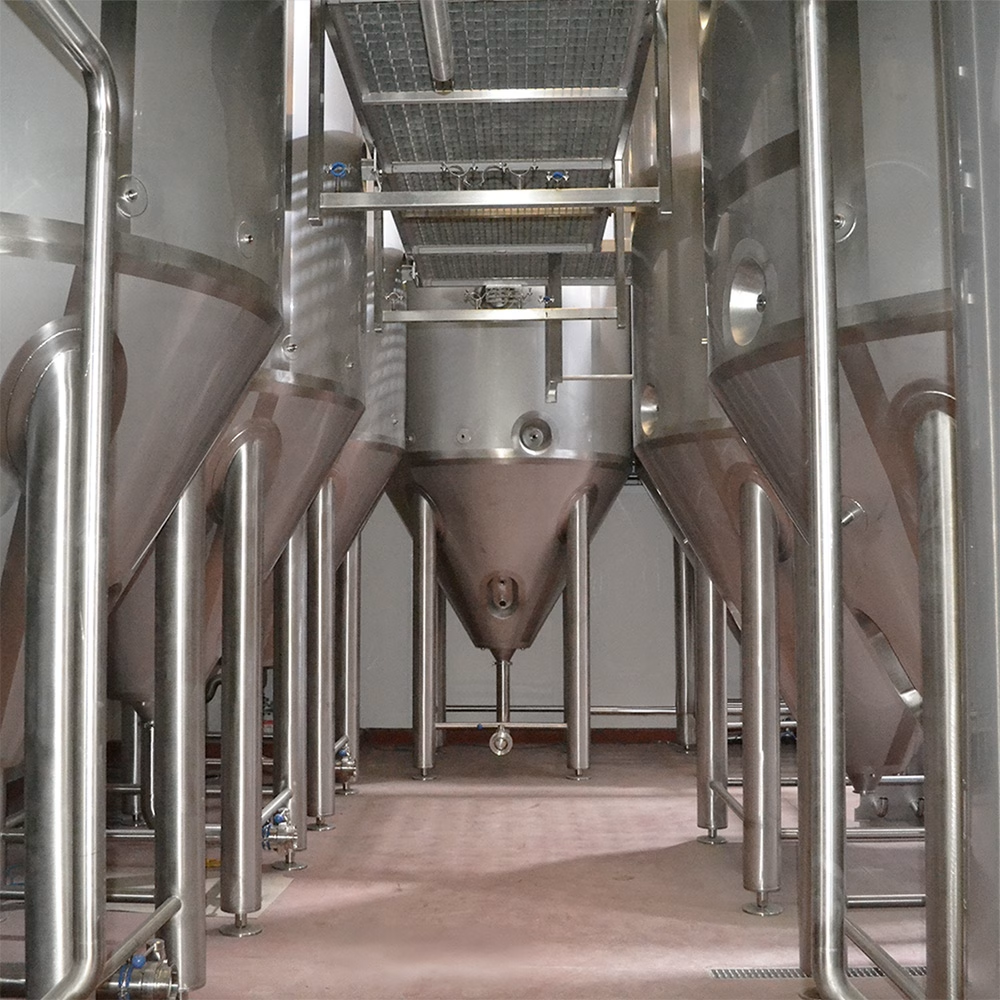
316 stainless steel shares many characteristics with 304 but contains approximately 2–3% molybdenum.
This additional element improves resistance to certain forms of corrosion, particularly chloride-induced pitting and crevice corrosion.
Consequently, 316 stainless steel is often selected for more demanding processing environments.
Its main advantages include:
- Improved resistance to chloride-induced corrosion.
- Greater protection against pitting and crevice corrosion.
- Excellent weldability and formability.
- Suitability for more corrosive industrial applications.
Although 316 generally costs more than 304, its additional corrosion resistance can provide long-term benefits where operating conditions justify its use.
304 vs 316 Stainless Steel: Key Differences
Both materials offer reliable performance, but their differences can influence which grade is best suited to a particular application.
| Property | 304 Stainless Steel | 316 Stainless Steel |
|---|---|---|
| Chromium | Approximately 18–20% | Approximately 16–18% |
| Nickel | Approximately 8–10.5% | Approximately 10–14% |
| Molybdenum | Not intentionally added | Approximately 2–3% |
| Corrosion Resistance | Good general resistance | Improved resistance in chloride environments |
| Weldability | Excellent | Excellent |
| Material Cost | Generally lower | Generally higher |
| Typical Applications | General food, beverage and industrial processing | More corrosive food, chemical and pharmaceutical processes |
However, neither grade is completely corrosion-proof. Material suitability depends on the operating environment and substances being processed.
Which Stainless Steel Grade Should You Choose?
Both 304 and 316 stainless steel are commonly used in food, beverage and industrial processing.
For many applications, 304 provides sufficient corrosion resistance while offering a more economical manufacturing solution.
However, certain conditions can increase corrosion risks, making 316 the more appropriate option.
These include:
Chloride exposure: Products containing significant salt concentrations can increase the risk of localised corrosion.
Aggressive chemicals: Some chemical processing applications require greater corrosion resistance than 304 can provide.
Elevated temperatures: Higher temperatures can accelerate certain corrosion mechanisms, particularly in chloride-containing environments.
Cleaning requirements: Frequent exposure to certain cleaning chemicals may influence material selection.
For example, a general-purpose storage vessel may be suitable for 304 stainless steel. Meanwhile, a vessel handling chloride-rich products could benefit from 316.
Nevertheless, selecting 316 does not automatically guarantee compatibility with every chemical or process.
The correct material should always be chosen according to the intended operating conditions.
Why Material Selection Matters for Process Vessels
Selecting the appropriate stainless steel grade is an important part of process vessel design.
Material choice affects more than the initial manufacturing cost. It can also influence maintenance requirements, operational reliability and equipment lifespan.
Choosing 304 for an unsuitable corrosive environment could increase the risk of premature deterioration. Conversely, specifying 316 where 304 would perform adequately may introduce unnecessary material costs.
However, material grade is only one consideration.
Other factors include surface finish, weld quality, vessel geometry, operating temperature and cleaning requirements.
For mixing and blending vessels, material selection must also account for the characteristics of the product being processed.
A well-designed vessel combines appropriate materials with effective engineering and manufacturing practices.
Bespoke Stainless Steel Process Vessels from BRITANX
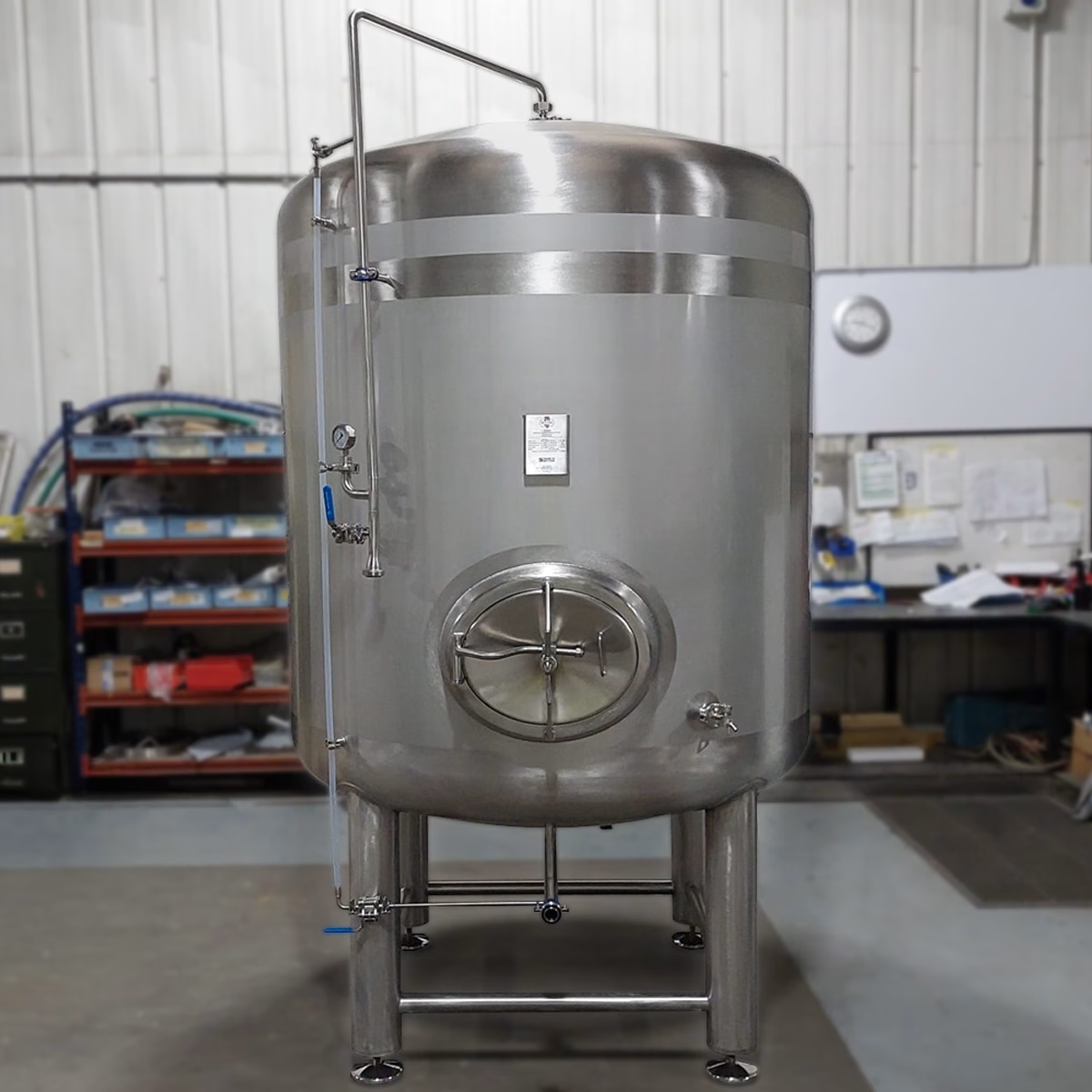
At Fabdec Group, our BRITANX Process division specialises in the design and manufacture of bespoke stainless steel process vessels.
Manufactured at our facility in Shropshire, UK, our vessels support industries including food, beverage, pharmaceutical and chemical processing.
We manufacture vessels using 304 and 316 stainless steel, with designs tailored to individual processing requirements.
From storage and mixing vessels to specialist heating, cooling and pressure applications, our engineering team develops solutions suited to each customer’s needs.
Selecting the appropriate stainless steel grade is an important starting point for reliable, long-term vessel performance.
Looking for a bespoke stainless steel process vessel? Explore our BRITANX Process range or request a quotation to discuss your requirements.


