
Food Process Vessels
Food process vessels engineered for hygienic, energy-efficient production, precise thermal control, and reliable performance, tailored to enhance operational consistency in demanding food manufacturing environments.
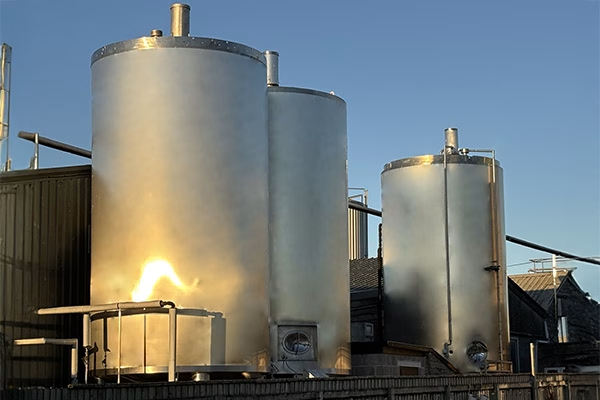
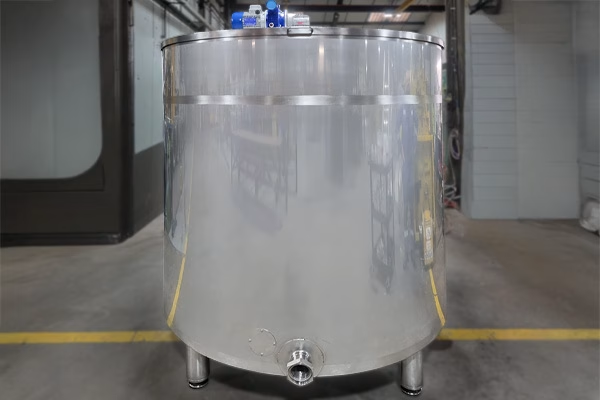
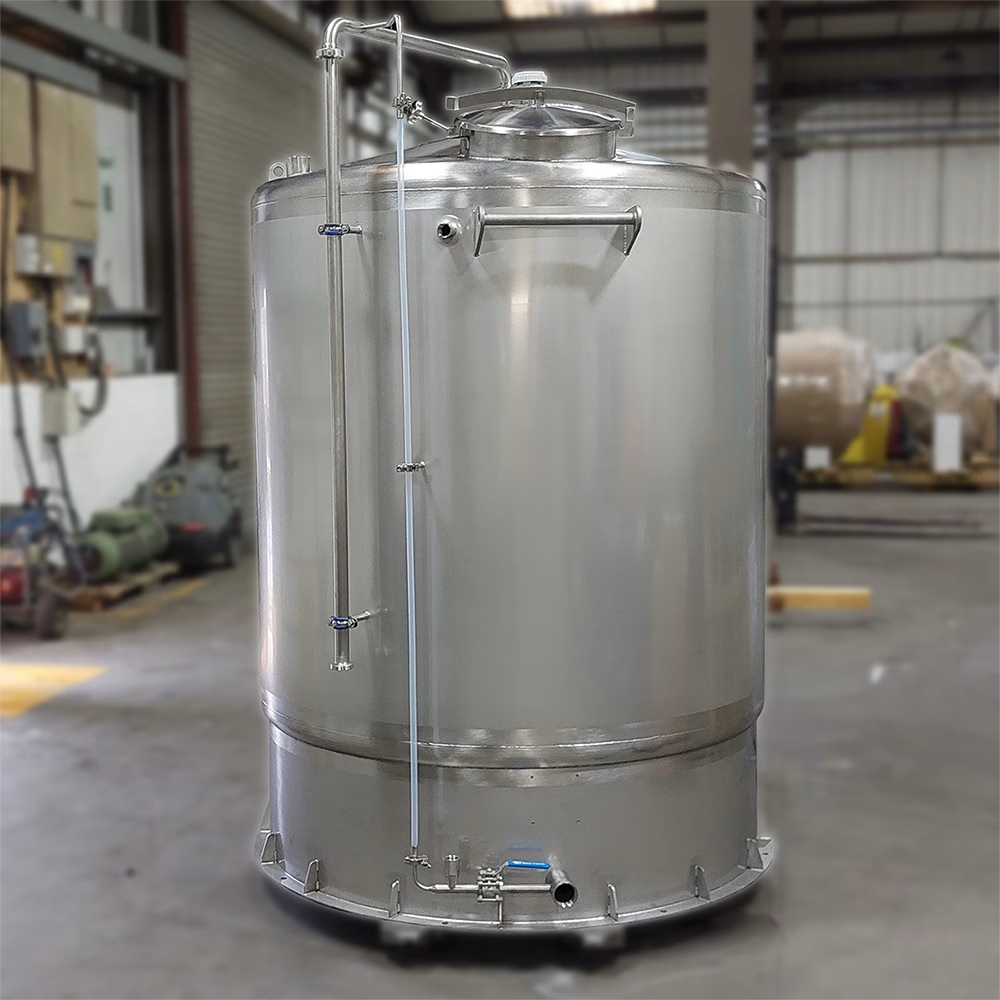
✔ Material Mixing
✔ Process Cooking
✔ Thermal Heating
✔ Controlled Cooling
✔ Batch Blending
✔ Bespoke Systems
What Are Food Process Vessels?
Food process vessels are specialised stainless steel vessels used throughout food manufacturing to support controlled preparation, cooking, mixing, heating, cooling, and storage of food products. Their primary role is to maintain hygiene, protect product quality, and provide stable processing conditions during batch or continuous operations.
In practice, a food process vessel must deliver consistent thermal performance, reliable liquid or product handling, and effective cleanability. Vessel geometry, internal finish, agitation, and heating or cooling methods all influence process efficiency and product consistency. Poorly specified vessels can lead to uneven heating, extended cleaning times, or unnecessary product losses.
Fabdec food process vessels are engineered to suit the specific requirements of each application, whether that involves dough preparation, sauce processing, thermal cooking, or controlled cooling. Rather than adapting a standard design, each vessel is developed around the intended process, batch size, and operational demands.
Manufactured in the UK, our food process vessels are designed to integrate seamlessly into new or existing production systems while delivering dependable performance, long service life, and compliance with hygiene focused food manufacturing standards.
Mixing & Blending
Mixing applications require a food process vessel that delivers uniform product distribution while protecting texture, viscosity, and ingredient integrity. Carefully considered vessel geometry and agitation design ensure consistent blending across each batch, reducing variation in finished products and supporting repeatable production outcomes. Hygienic internal finishes and smooth welds support efficient cleaning between production runs and help minimise cross contamination risks.
Food process vessels for mixing are engineered to suit specific product characteristics, batch sizes, and processing requirements. This ensures reliable performance across a wide range of food manufacturing applications where consistency and control are critical.
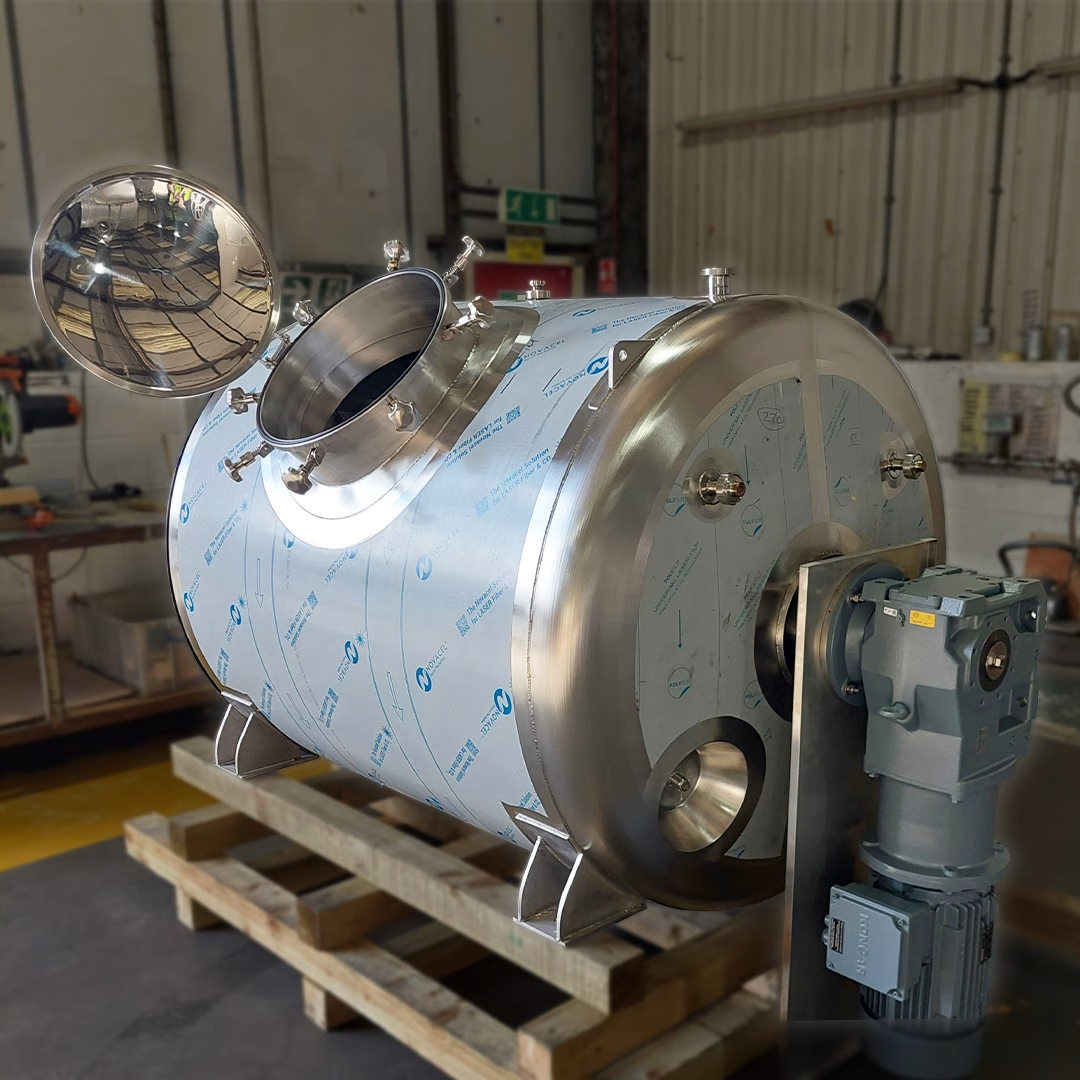
Cooking & Heating
Cooking and heating processes depend on a food process vessel that provides controlled and even heat transfer throughout the product mass. Well engineered thermal jackets and appropriate insulation help maintain stable temperatures, reducing the risk of hot spots, uneven cooking, or product degradation.
By maintaining consistent thermal conditions, food process vessels support repeatable cooking results, improved product quality, and efficient energy use. These vessels are designed to perform reliably in demanding food production environments where process stability and temperature accuracy directly affect final product consistency.
Cooling & Temperature Control
Cooling applications require a food process vessel capable of removing heat efficiently while maintaining product quality, safety, and hygiene. Accurate temperature control during cooling stages helps protect texture, flavour, and shelf stability. Smooth internal surfaces, hygienic connections, and well considered flow paths support effective cleaning and minimise downtime between batches.
Food process vessels designed for cooling provide dependable performance across a wide range of food products, helping manufacturers maintain process control, consistent results, and operational efficiency throughout production.
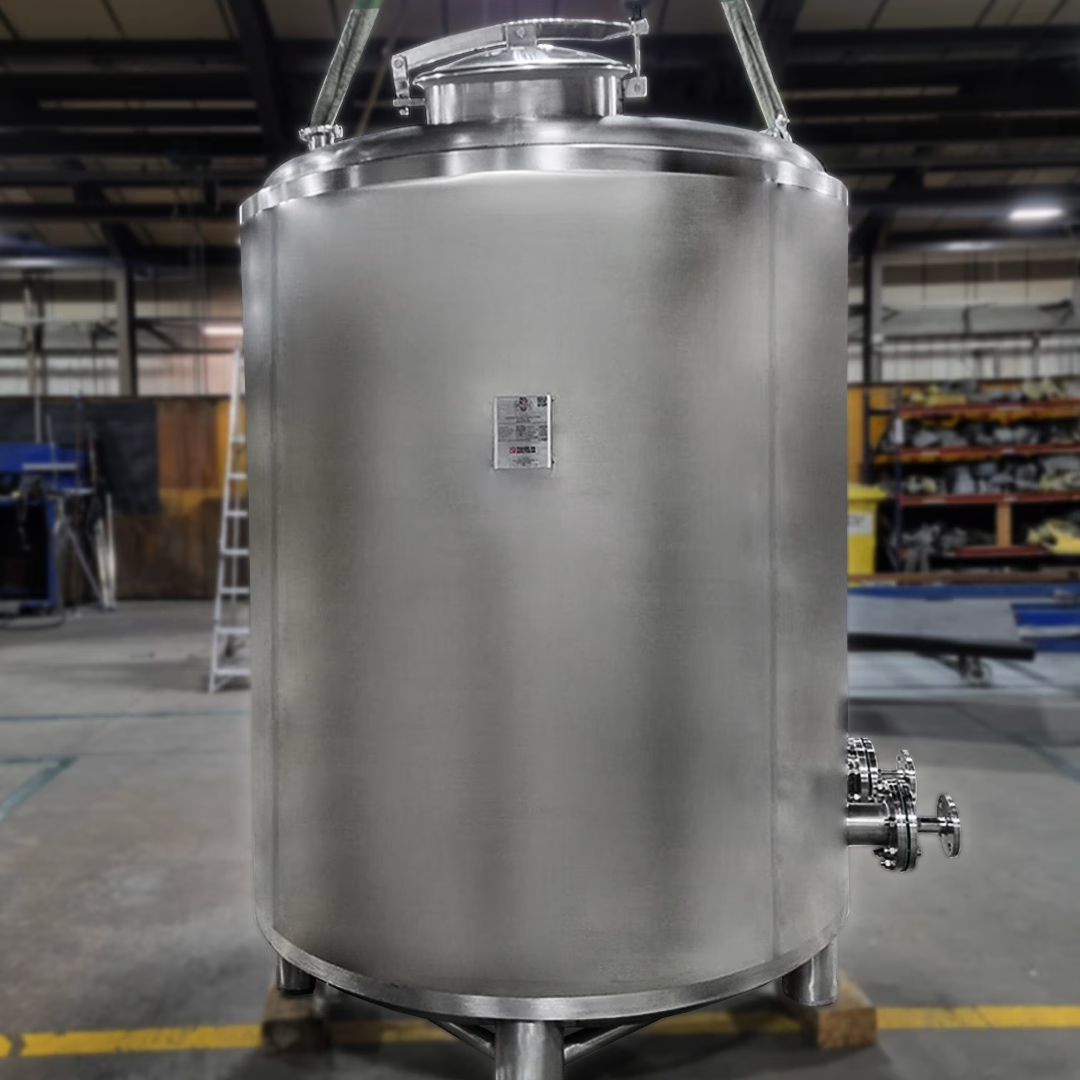
Bespoke Design
Every food process vessel can be engineered to suit the specific process, layout, and operational requirements of the application. Rather than adapting standard designs, each vessel is configured around capacity, geometry, connections, insulation, and thermal performance. This ensures seamless integration with existing plant equipment, utilities, and control systems.
Bespoke food process vessels provide long term reliability, efficient operation, and flexibility for future process changes. By designing around real production constraints from the outset, the final vessel supports consistent performance, practical maintenance, and dependable operation in demanding food manufacturing environments.
More From Fabdec Group


CONTACT US
If you’re looking to reduce operating costs, improve hygiene, and enhance sustainability, reaching out to Fabdec Group is a smart strategic move. Based in Ellesmere, Shropshire—and with an additional European office in Gelsenkirchen, Germany—Fabdec is recognised as a pioneer in stainless-steel thermal solutions, backed by over 60 years of engineering excellence. We design, manufacture and supply an extensive portfolio including energy-efficient milk cooling systems, stainless-steel unvented water heaters, heat recovery units, process vessels, and integrated skid-set systems tailored to dairy, food processing, renewables and HVAC applications. Whether your needs involve bespoke stainless-steel vessels for process engineering, dairy systems to optimise milk handling, or heat recovery solutions to reduce energy consumption, contacting Fabdec via their website or live chat ensures you’re speaking directly with a responsive, customer-focused team committed to high quality and innovation.